
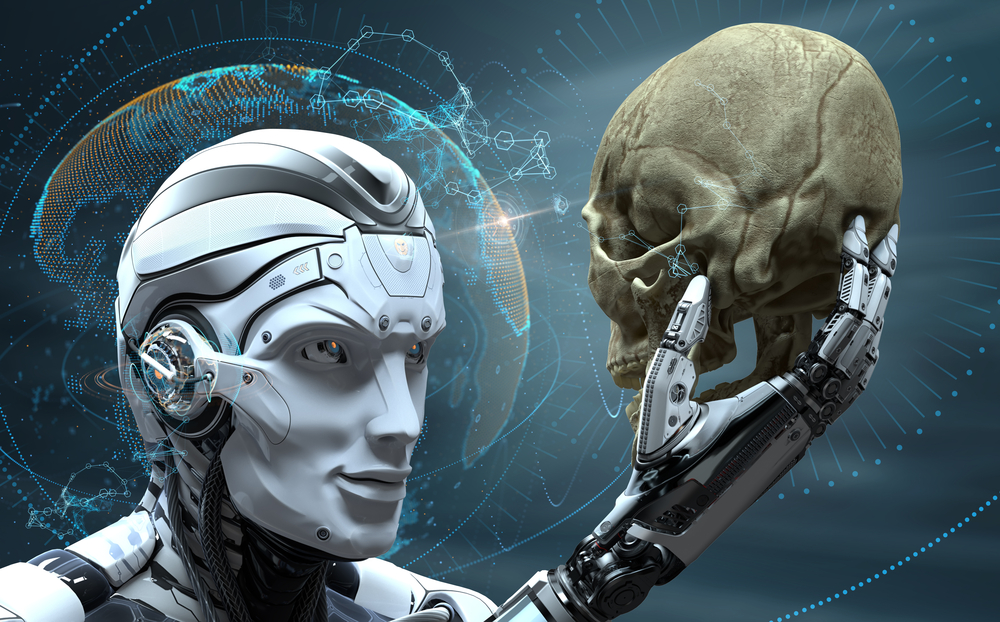
It’s impossible to avoid hearing about AI these days. It seems that everywhere you turn, there is a horror story about deep fakes or computers enslaving humanity. But surely the water treatment industry will be spared from these nihilistic outcomes, right?
Perhaps, like me, one of your earliest memories of AI was watching Terminator 2: Judgment Day. While it’s a thrill to watch Arnold Schwarzenegger travel from the future to protect a young John Connor from Skynet’s T-1000, the movie does not necessarily paint AI in the most optimistic light.
Perhaps even more striking is the fact that the apocalyptic future depicted in the movie was just around the corner in 2029. In other words, we live in the future.
That phrase, “we live in the future,” is one my husband and I often use when marveling at any number of modern conveniences, such as how satellites casually circling above us influence countless aspects of our daily lives. I have satellites to thank for my alarm waking me up this morning and knowing what to wear to best fit the weather. So do billions of other people, all over the world, every single morning.
Technology will continue to advance. It would be foolish to think otherwise. So, it’s no wonder that AI is not only here to stay, but that it will impact every industry there is – even water treatment.
As a newcomer to this industry, this concept is difficult for me to imagine. Water treatment experts are often on location, doing hands-on work or consulting on complex problems. As I mentioned in a previous post, this industry was built on relationships, mentoring, and human connections. It begs the question, will AI help, hurt, or simply change this industry?
There are many academic papers being published on the subject, but this is very much still an emerging research topic. But according to the software company Autodesk, AI is already changing the water industry in at least ten significant ways.
For starters, Autodesk argues that AI will optimize energy use and water consumption. AI can impact this by optimizing pump runtimes so that energy is being used only when needed, significantly reducing waste. It also states that this would be “an easy cost-reduction win for early adopters of AI.”
The article goes on to say that AI can identify areas for efficiency within data centers, which turns out to be a sort of self-fulfilling prophecy. The more we use technology, the more data centers will be needed, which in turn require energy and water resources to cool those data centers. Ironically, AI must discover more efficient methods of water usage just to support itself long-term!
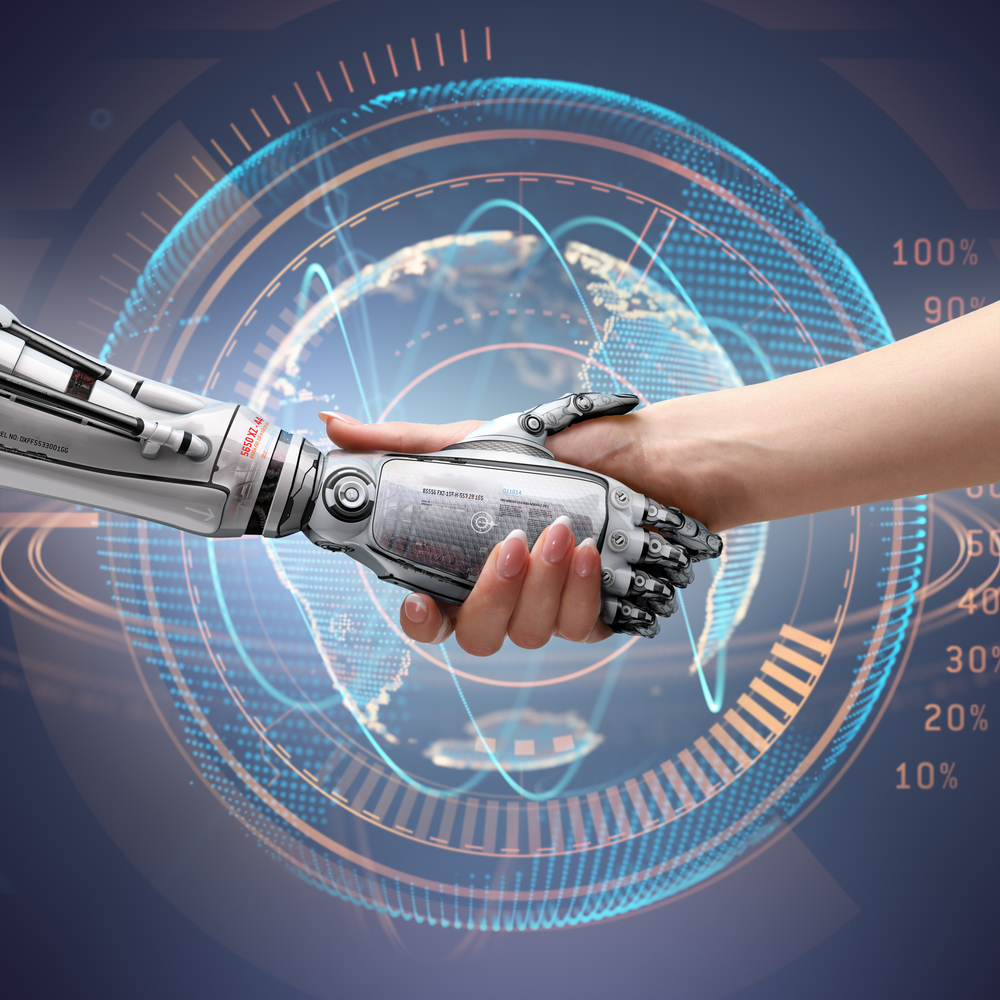
Perhaps the most interesting idea from this article was that AI can help retain institutional knowledge. The article asks, “How do you ensure that a veteran operator’s valuable knowledge is retained after they leave the workforce?” This is a question that I have been asking ever since my grandfather, Dr. Arthur J. Freedman, Ph.D, died in 2015. AI-powered dashboards may be one way to do just that.
I think there is good news here. For most of us, if we learn to work with AI rather than despite it, it will likely help us do our jobs better. Things may look different, of course – perhaps instead of a background in engineering,
chemistry, or biology, the water treatment engineers and consultants of the future will also have a background in computer science.
But one thing is clear: the human aspect of consulting will become even more important once AI is embedded in our daily lives. We need to start asking ourselves, “What can I do that AI cannot (yet) do?” The answer is simple: Be Human.
At this point, you may be wondering who really wrote this post – was it me, or AI? I am happy to say that we worked together on it.
After all, we live in the future.